Upgrade Your Area: Premier Sliding Doors Installations for Style and Functionality
Reimagining a living area generally calls for deliberate styling selections. Skilled sliding door specialists present a mix of aesthetics and practicality, positioning them as a superior choice for many properties. These installations not only elevate appearance while also maximizing the circulation of light and room. Recognizing the advantages and choices at hand could profoundly affect the entire mood of a household. The information below will lead you through the fundamental factors for incorporating sliding doors seamlessly.
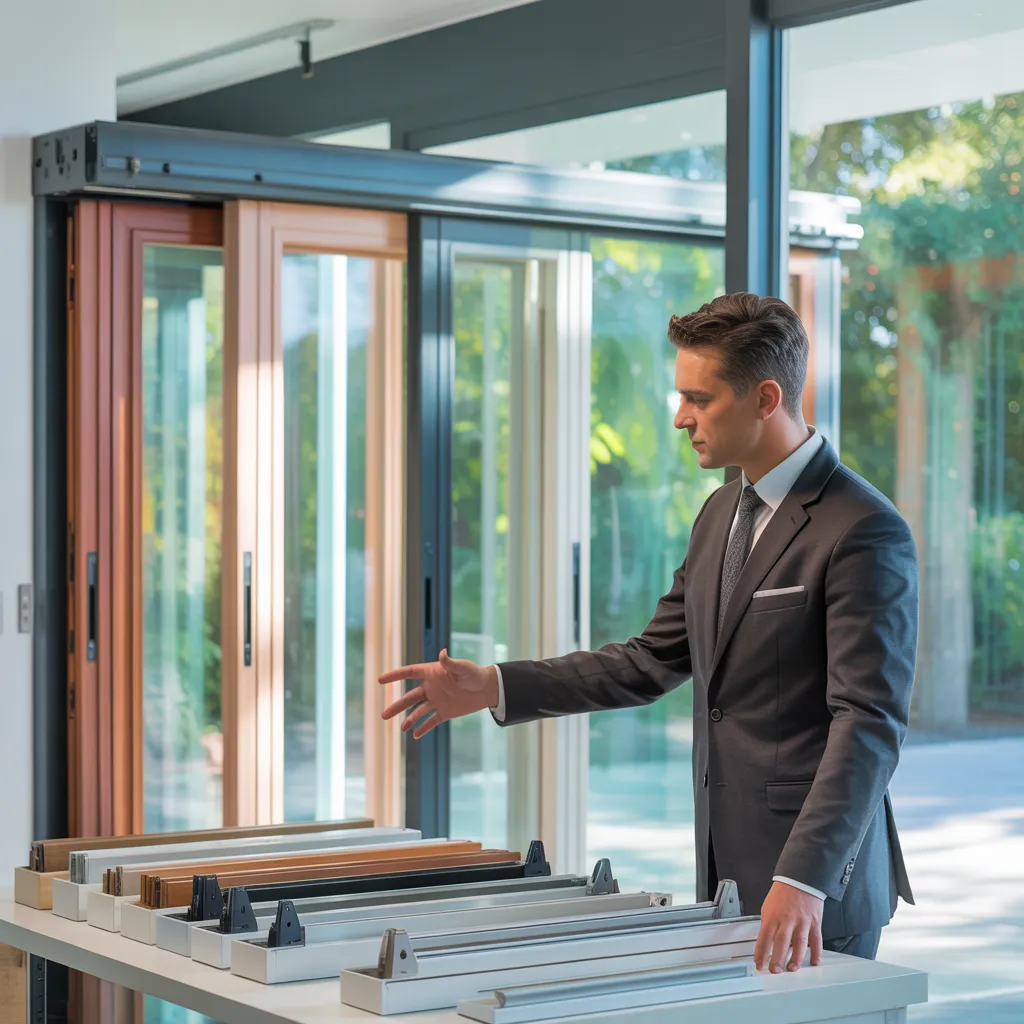
The Perks of Sliding Doors for Your Home
Sliding doors significantly elevate the usability and beauty of a residence. They provide an ideal combination of elegance and functionality, making rooms appear more spacious and airy. By enabling natural light to pour into rooms, sliding doors establish a welcoming environment while preserving privacy. Their style commonly features oversized glass panels, which not only brighten rooms but also provide unobstructed views of the outdoors.
In addition to aesthetic appeal, sliding doors are space-efficient. Unlike traditional copyrightd doors, they need no additional space to open outward, making them ideal for compact areas. Moreover, they promote seamless transitions between indoor and outdoor spaces, allowing for easy access to gardens, patios, or balconies. Many modern sliding see guide doors also feature energy-efficient glass options, contributing to better insulation and lower energy costs. All things considered, the integration of sliding doors can considerably improve a home's design, offering both beauty and practicality.
Sliding Door Installation: A Guide to What Lies Ahead
When considering the installation of sliding doors, picking the correct style is essential for both aesthetics and functionality. Familiarizing yourself with the installation process can enable homeowners to plan for a seamless changeover. This overview will outline essential factors and steps involved in the installation of sliding doors.
Choosing The Right Style
What is the best way to identify the ideal style for sliding doors? Selecting the most appropriate style involves assessing the complete visual appeal of the room and the practical use demanded. Property owners should evaluate their interior design preferences, whether modern, traditional, or minimalist, as this will influence their selection. Components are critically important; options like timber, glass, or steel can enhance both style and durability. Moreover, the door's configuration—single, bi-fold, or pocket—needs to match the spatial constraints and functional requirements. Hue and surface treatment should complement existing decor, ensuring a unified appearance. In the end, the ideal sliding door design marries visual appeal with practical functionality, improving the living space's character while meeting everyday requirements.
Summary of the Installation Process
The installation process for sliding door installations can significantly affect their operation and lifespan. Usually, this process commences with a comprehensive evaluation of the existing space, ensuring correct measurements and compatibility with the chosen door style. Once the suitable materials are chosen, the installer readies the opening, verifying level alignment and structural soundness.
Subsequently, the tracking mechanism is installed, followed by the door panels, which are precisely positioned to ensure effortless movement. Precise alignment is essential to ward off subsequent concerns, such as sticking or misalignment. Finally, the setup is finished with detailed inspections and fine-tuning, ensuring that the door functions flawlessly. Through compliance with these procedures, professional installers guarantee a high-quality result that boosts both appearance and efficiency in all settings.
Choosing the Right Sliding Door Style for Your Space
How the right sliding door style enhances a given space can considerably affect its overall aesthetic and functionality. In the process of picking a sliding door, it is crucial to evaluate the surrounding design elements and the desired use of the door. In modern environments, smooth, frameless glass panels can complement a minimalist aesthetic, offering a clear and open view. Conversely, traditional spaces could be enhanced by barn-style doors, which introduce an element of warmth and personality.
Moreover, the choice of materials plays a significant role; wood provides a timeless aesthetic, while aluminum frames supply longevity and a cutting-edge appearance. Color and finish need to match the prevailing color palette to establish a unified aesthetic. Ultimately, the ideal sliding door should work in harmony with the space, balancing style with practical considerations like ease of use and maintenance. Through thoughtful consideration of these elements, homeowners can find a sliding door that transforms their surroundings.
How Sliding Doors Boost Natural Light in Your Home
Sliding doors not only enhance the aesthetic appeal of a space but also play a significant role in maximizing natural light within the home. Their generous glass surfaces enable sunlight to pour in, establishing a luminous and inviting ambiance. As opposed to standard doors, which may hinder light and visibility, sliding doors sustain an unhindered view of the outdoors, allowing spaces to feel more open and closely linked to the natural world.
In addition, well-placed sliding doors have the ability to bring light into areas that tend to remain shadowy, such as narrow hallways or confined spaces. This surge of natural light can foster a more pleasant environment and support a feeling of wellness. Moreover, numerous contemporary sliding doors feature energy-efficient glass that permits natural light to enter while also assisting in maintaining comfortable indoor temperatures. Overall, sliding doors are an effective solution for enhancing both the light and the overall aesthetic of a home.
Optimize Space Flow and Functionality With Sliding Doors
Incorporating sliding doors into a home's design can substantially boost space flow and functionality. These adaptable additions create smooth transitions between living areas, allowing for more efficient use of space. As opposed to standard swinging doors, sliding doors operate on a track, liberating valuable floor area and making narrow areas feel more expansive.
Their capacity to link indoor and outdoor living spaces further contributes to improved flow. Residents can conveniently reach patios or gardens, creating a sense of openness and connection. Moreover, sliding doors can function as elegant room dividers, allowing versatile layouts that accommodate different needs.
With choices offered in a variety of materials and styles, sliding doors can suit any design preference, from sleek and modern to warmly rustic. Ultimately, the incorporation of sliding doors not only enhances the visual appeal of a home but also maximizes its practicality, making them a beneficial upgrade for any homeowner seeking to improve their living environment.
Upkeep Tips for Long-Lasting Sliding Doors
Maintaining sliding doors is crucial for ensuring their lifespan and effectiveness. A consistent cleaning schedule, along with frequent lubrication and alignment inspections, can avoid frequent problems and improve performance. Implementing these upkeep suggestions will enable homeowners to enjoy their doors for years to come.
Routine Cleaning Schedule
A regular cleaning routine can notably improve the longevity and efficiency of sliding doors. Routinely clearing away dust and debris from the tracks stops buildup that may impede smooth operation. Utilizing a soft cloth and a mild detergent helps maintain the glass surfaces, ensuring clarity and aesthetics. It is critical to inspect and maintain the seals and weather stripping to prevent moisture infiltration and potential damage. Furthermore, examining the door frame for any indications of deterioration or grime allows for timely interventions. Establishing a cleaning schedule—every month or each season—can keep sliding doors in peak condition. By focusing on regular maintenance, homeowners can benefit from the appearance and efficiency of their sliding doors for the long term.
Lubrication and Upkeep
Ensuring the seamless function of sliding doors necessitates routine lubrication and care. To maintain peak performance, it is essential to use a silicone-based lubricant on the tracks and rollers. This stops dust and debris from accumulating, enabling smooth and effortless sliding. It's advisable to wipe the tracks clean before applying lubricant, guaranteeing that any dirt does not impede movement. Furthermore, checking the rollers for signs of wear and tear is important; timely replacement can extend the life of the doors. Periodically examining metal components for signs of rust or corrosion is also effective in preventing functional issues. By adhering to these upkeep routines, homeowners can keep their sliding doors both functional and attractive for many years.
Accurate Alignment Verifications
Routinely carrying out thorough alignment evaluations is vital for the longevity of sliding doors. Misalignment can lead to operational difficulties, accelerated damage, and possible harm. To achieve maximum efficiency, one should examine the door's rails and wheels for debris, which can interfere with fluid motion. Furthermore, verifying the door's overall positional alignment is necessary; it should sit evenly within the frame. If the door leans or sticks, corrections may be required. This can often involve repositioning screws on the roller assembly. Conducting these inspections every several months can avoid more serious problems in the future. This ultimately enhances both visual appeal and functionality. Consistent servicing will promote a seamless experience and prolong the lifespan of the sliding doors.
Frequently Asked Questions
What Types of Materials Are Commonly Found in Sliding Doors?
Common materials for sliding doors include wood, glass, aluminum, and vinyl. Each material provides distinct aesthetics and functional benefits, allowing homeowners to choose options that best complement their interior design and provide durability and ease of use.
Can Sliding Doors Be Regarded as Energy-Efficient Alternatives?
Sliding doors represent energy-efficient options, particularly when fitted with dual or triple glazing panels. Proper sealing and insulation also boost their overall performance, minimizing energy loss while sustaining comfortable indoor temperatures all year round.
How Should I Secure Sliding Doors Against Intruders?
To secure sliding doors against intruders, place a security bar or rod in the track, incorporate a multi-point locking system for added security, strengthen glass using security film, and think about installing a motion sensor alarm for greater security.
Is It Possible to Customize Sliding Doors for Unique Spaces?
Absolutely, sliding doors can be customized to accommodate unique spaces. A wide range of materials, sizes, and designs are accessible, allowing homeowners to develop functional and aesthetically pleasing solutions that elevate both aesthetics and safety in their living spaces.
What Are the Common Costs Involved in Sliding Door Services?
Standard pricing for sliding door services can vary significantly, generally falling between $500 and $2,500 based on materials, personalization, and the complexity of installation. Further charges may cover hardware and essential structural changes for specialized spaces.